 pyomn
pyomn
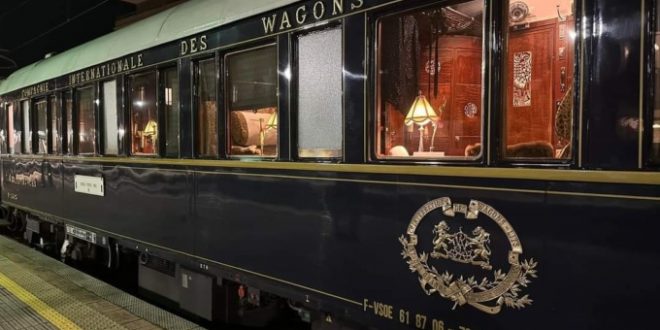
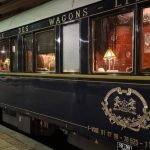
The Orient Express is synonymous with luxury travel, romance, and elegance. Beyond its reputation as a train journeying through some of Europe’s most picturesque landscapes, the Orient Express is also celebrated for its stunning Art Deco design. Here, we explore the key Art Deco features that have defined the aesthetic and ambiance of this iconic train.
Historical Context
The Orient Express, inaugurated in 1883, initially featured interiors that were a blend of several stylistic influences. However, by the 1920s and 1930s, as the Art Deco movement gained prominence, the train underwent a transformation that infused it with the glamour and modernity of the era. This change not only enhanced the visual appeal of the train but also aligned it with the contemporary tastes of its affluent passengers.
Key Art Deco Features
- Luxurious Materials and Finishes:
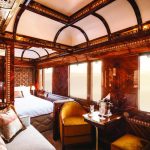
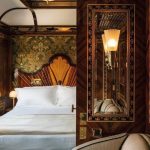
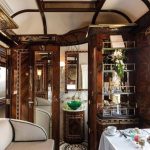
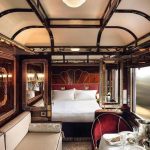
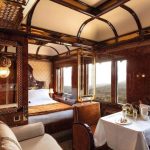
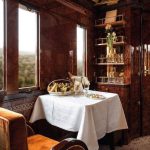
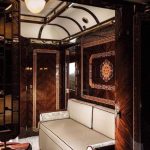
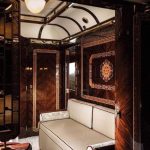
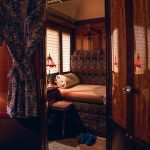
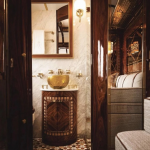
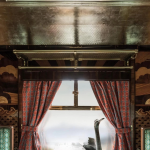
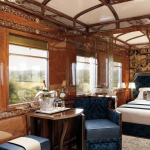
- The Art Deco era was characterized by the use of luxurious and exotic materials. On the Orient Express, this translated into the extensive use of rich woods, such as mahogany and ebony, in the paneling and furnishings. Inlays of mother-of-pearl and ivory added a touch of opulence.
- Geometric Patterns:
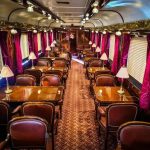
- Art Deco design is renowned for its emphasis on geometric shapes and patterns. The interiors of the Orient Express featured bold geometric motifs in the upholstery, carpeting, and decorative elements. These patterns, often in contrasting colors, created a dynamic and visually striking environment.
- Metallic Accents:
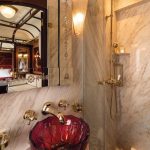
- Chrome, brass, and other metals were frequently used in Art Deco design to add a sense of modernity and sophistication. The Orient Express incorporated these materials in its fixtures, fittings, and trim, adding to the sleek and polished look of the carriages.
- Streamlined Forms:
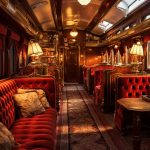
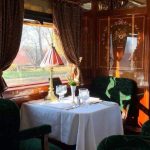
- The streamlined forms of Art Deco furniture and decor were perfectly suited to the confined spaces of a train. The furniture on the Orient Express, including the iconic club chairs and dining tables, featured clean lines and rounded edges, contributing to an uncluttered and elegant interior.
- Decorative Lighting:
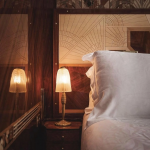
- Lighting played a crucial role in creating the ambiance of the Orient Express. Art Deco lighting fixtures, such as chandeliers and wall sconces with frosted glass and geometric designs, provided both functionality and style. The soft, warm glow of these lights enhanced the luxurious atmosphere of the train.
- Artistic Elements:
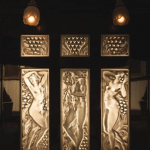
- The Art Deco movement was deeply influenced by various art forms, and the Orient Express incorporated artistic elements in its design. Murals, friezes, and etched glass panels depicting stylized figures, animals, and landscapes adorned the interiors, reflecting the artistic sensibilities of the time.
Legacy and Influence
The Art Deco design of the Orient Express has left an enduring legacy in the world of luxury travel. It set a benchmark for elegance and sophistication that continues to inspire modern train design. Today, the Venice Simplon-Orient-Express, a restored version of the original train, offers passengers a chance to experience the glamour and charm of Art Deco travel.
In summary, the Art Deco features of the Orient Express—luxurious materials, geometric patterns, metallic accents, streamlined forms, decorative lighting, and artistic elements—combined to create an unforgettable travel experience. This iconic train not only transported passengers across Europe but also transported them into a world of elegance, style, and timeless beauty.